



Wafer prices projected to increase 3-6% next year, with persistent supply shortages in 2nm and 3nm nodes.
Samsung Electronics (005930) expands 2nm order book, stepping up efforts to secure new AI and high-performance computing (HPC) clients.
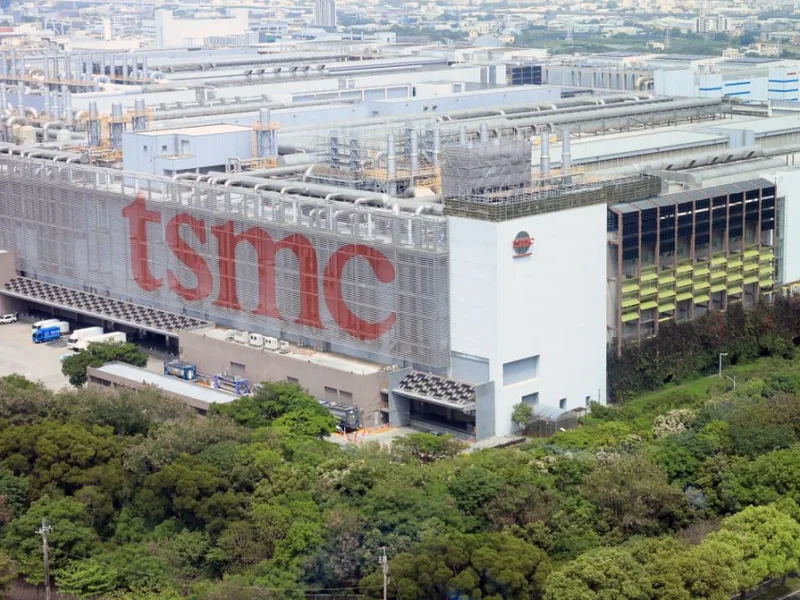
Even as TSMC, the world’s largest contract chipmaker, ramps up its 2-nanometer production capacity, the supply crunch shows little sign of easing. Amid a surge of orders for advanced semiconductors targeting artificial intelligence (AI) and high-performance computing (HPC), wafer prices are widely expected to climb further next year.
Samsung Electronics (005930) is also pressing ahead with expanding its 2nm order intake. Having recently secured projects with Tesla, major cloud service providers (CSPs), and other AI and HPC clients, Samsung stands to benefit as TSMC’s price hikes and capacity constraints reshape the competitive landscape for new 2nm contracts.
TSMC to Face Ongoing Shortages, Price Hikes Despite 22% Capacity Increase
Taiwanese industry publication DIGITIMES recently reported, citing supply chain sources, that TSMC plans to raise wafer shipment prices by 3% to 6% across various process nodes starting January 2027. Price hikes for advanced nodes such as the 2nm and 3nm processes are reportedly on the higher side. TSMC has declined to comment specifically on its pricing policy.
Alongside price adjustments, production capacity is scaling up rapidly. According to Taiwan's Commercial Times, TSMC’s monthly 2nm output is projected to grow roughly 22%, from 90,000 wafers at the end of this year to 110,000 wafers by mid-next year. Monthly 3nm capacity is similarly expected to expand from over 180,000 wafers to around 210,000 over the same period—projections echoed by Taiwanese market research firm TrendForce.
Nonetheless, supply for 2nm and 3nm chips continues to lag behind demand. Visibility for certain orders extends out to 2030, and legacy nodes below 45nm are also maintaining high utilization rates. However, this does not imply that total production capacity has been entirely sold out through 2030.
Addressing its pricing strategy previously, TSMC stated that its approach is "strategic rather than opportunistic," adding that it works closely with clients to deliver services at prices that reflect the value provided.
Samsung Expands 2nm Book, Capturing AI and HPC Clients
Samsung Electronics is growing its AI and HPC client base, anchored by its 2nm Gate-All-Around (GAA) process. The tech giant projects its 2nm order intake to surge 130% year-on-year, reporting that it secured additional 2nm HPC design wins from key clients in the second quarter.
In the second half of the year, Samsung plans to commence mass production of new mobile products utilizing its second-generation 2nm process, while accelerating orders in advanced nodes and the AI/HPC sectors.
The center of gravity in Samsung’s foundry business is also shifting toward HPC. Noh Mi-jung, a senior vice president at Samsung Electronics' Foundry Business, stated during an earnings briefing on the 29th of last month, "We expect HPC clients to account for the majority by 2029, with HPC making up well over half of our revenue structure."
HPC’s share of Samsung’s foundry revenue has climbed from 5% in 2017 to 28% today. Samsung aims to elevate this figure to 66% by 2029. Furthermore, the company’s total client count has roughly tripled compared to 2017—when the Foundry Business was officially launched—with a target to quadruple that figure by 2029.
Focus Shifts to New Projects Over Existing Volumes in Intensifying 2nm Battle
TSMC’s price increases are unlikely to trigger an immediate exodus of existing clients. Because advanced semiconductors are engineered from the design phase to match a specific foundry’s process, switching manufacturing partners requires intensive redesign and validation work. Yield rates and mass-production stability remain just as critical as pricing.
While reports surfaced last month claiming that the yield rate for Samsung Foundry’s 2nm (SF2) process was nearing 60%, the figure has not been officially confirmed by Samsung.
In its recent earnings release, Samsung stated that it is driving yield stabilization and productivity enhancements for its second-generation process, building on the mass-production experience gained from its first-generation 2nm technology. Initial operations at its Fab 1 in Taylor, Texas, are scheduled to kick off by the end of this year.
Consequently, the immediate battleground is more likely to center on newly tendered AI and HPC projects rather than wresting existing volumes away from TSMC. If Samsung successfully transitions its secured 2nm projects into volume production and attracts additional clientele, it could provide a vital boost to both foundry utilization rates and profitability.
With TSMC facing persistent 2nm supply constraints despite capacity expansions, and Samsung entering a phase of growing its client roster, the two titans are gearing up for an increasingly fierce battle over new 2nm business, amplified by next year's impending price hikes.



