S&P 500 gains 0.36%, Dow drops 0.38%; Nvidia, AMD, and Micron show strength.
Apple faces profitability pressure from rising memory prices; Palantir trades lower despite solid earnings.
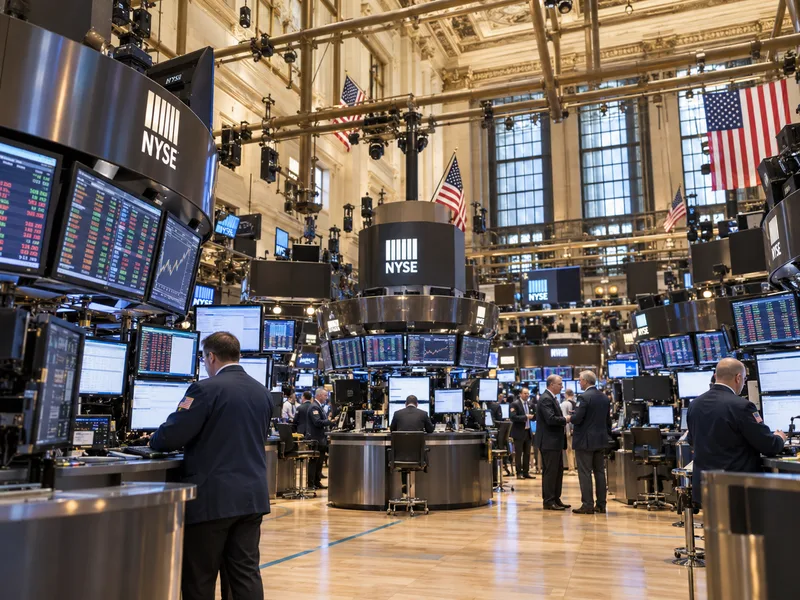
Wall Street finished mixed on Tuesday (Nov 3), as a rebound in semiconductor stocks—which had recently weakened due to cost burdens from expanding artificial intelligence (AI) investments and concerns over tech sector valuations—lifted the Nasdaq and the S&P 500. Conversely, Apple declined amid margin pressures stemming from rising memory chip prices. Diverging price trends were observed among major technology stocks as the U.S. midterm elections unfolded.
The Dow Jones Industrial Average closed down 197.26 points (0.38%) at 51,786.72. Meanwhile, the S&P 500 rose 27.52 points (0.36%) to 7,568.92, and the tech-heavy Nasdaq Composite climbed 207.65 points (0.83%) to 25,372.01.
While decliners outnumbered advancers within the S&P 500, a rebound among large-cap tech stocks with heavy market weightings drove the broader indices higher. Although the Nasdaq and S&P 500 snapped three-session losing streaks, buying sentiment failed to permeate the broader market.
Among semiconductor shares, Nvidia and AMD advanced, while memory chip maker Micron also showed strength. Recent concerns over escalating AI infrastructure outlays by major tech firms and the viability of investment returns have heightened volatility in related equities, but buying flowed into key semiconductor names on this day.
A day prior on the 2nd, the Nasdaq dropped 1.07%. Oracle plummeted about 8.8% after unveiling plans to issue $20 billion in equity and debt to fund AI infrastructure investments, while Marvell tumbled more than 12% following a large-scale acquisition announcement. Following last week's earnings reports from major tech companies, lingering questions remain over the timeline for translating massive AI investments into actual revenues.
The Nasdaq 100 entered correction territory on the 2nd, trading down more than 10% from its record closing high. Market sentiment was weighed down by concerns that funds required to build AI infrastructure are surging rapidly while tangible returns may take time to materialize in corporate earnings. Tuesday's rebound was not enough to fully dispel these cautionary views.
Meanwhile, Apple fell roughly 1.9% despite posting quarterly earnings that beat market expectations. Investor sentiment was dampened after the company noted that rising memory chip prices could pressure its gross margins for the upcoming holiday quarter.
As the expansion of AI data centers accelerates, the potential for escalating memory costs to translate into margin pressures for smartphone and PC manufacturers has come into focus. While surging demand serves as a revenue growth opportunity for semiconductor suppliers, it acts as a profitability constraint for hardware makers purchasing the components.
Palantir Technologies, the enterprise AI software firm, also saw its shares decline despite delivering earnings and revenue guidance that exceeded consensus estimates. The drop is interpreted as investors exercising caution in evaluating corporate valuations and future growth expectations, despite strong momentum in the U.S. commercial segment.
Consequently, AI-related companies exhibited divergent stock performances under identical market conditions. Semiconductor suppliers recouped some of their recent losses, whereas select software firms and hardware manufacturers traded lower under the weight of lofty market expectations and cost pressures.
Markets also closely monitored the outcome of the U.S. midterm elections held on Tuesday. The election—which contested all seats in the House of Representatives and a portion of the Senate—will shape the balance of power in Congress for the remainder of President Donald Trump's term.
Depending on the election results, the policy framework surrounding fiscal policy, taxation, corporate regulations, and government spending could shift. In particular, a potential shift in the majority party of the House would heighten the importance of negotiations between the executive branch and Congress. Nevertheless, the ultimate impact on the stock market will likely be determined by concrete policy changes enacted post-election.
Declining international oil prices acted as another key variable for the market. Volatility in crude oil prices widened as shifting geopolitical tensions and diplomatic negotiation prospects intersected in the Middle East. While lower oil prices can alleviate inflationary pressures, they weigh on the earnings of energy companies, resulting in mixed sector-specific impacts.
Although Wall Street rebounded led by semiconductor issues on Tuesday, it would be premature to conclude that investor sentiment across the broader tech sector has fully recovered. The expansion of AI investments continues to underpin chip demand while simultaneously aggravating cost and capital burdens for certain enterprises. Looking ahead, the market is expected to seek direction by digesting midterm election results, major corporate earnings outlooks, and the monetization of AI investments.