

Halozyme shares fall over 30% from peak; Alteogen plunges nearly 60%
Short-selling volume nears 3.8 trillion won this year; royalty revaluation and shareholder returns remain key issues
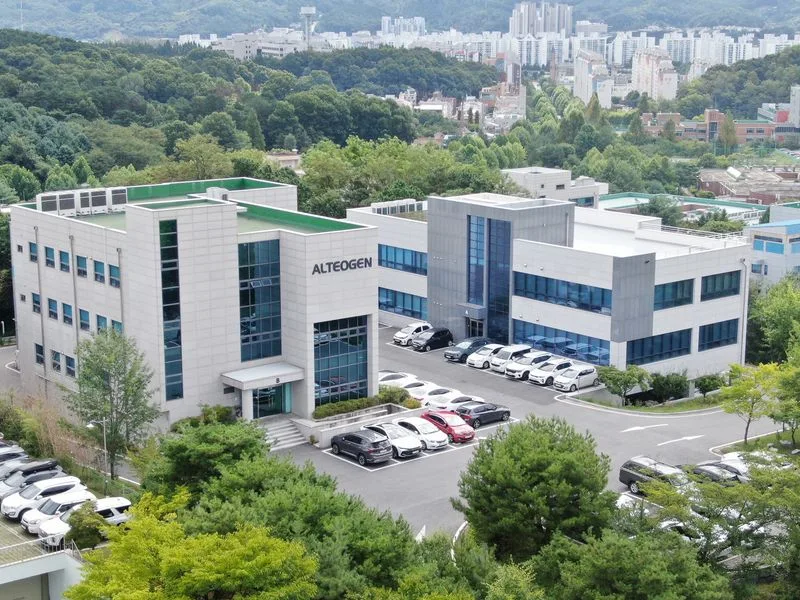
Alteogen (196170) has recorded its highest-ever earnings since inception and achieved consecutive successes in patent disputes in the U.S. and Germany, yet its stock price has fallen nearly 60% from last year's peak. In the U.S., Merck (MSD) secured a favorable decision in a patent invalidation trial against Halozyme, and in Germany, an injunction against the sale of the subcutaneous (SC) formulation of Keytruda was lifted. Despite these business achievements and the mitigation of legal uncertainties, the stock price has struggled to recover.
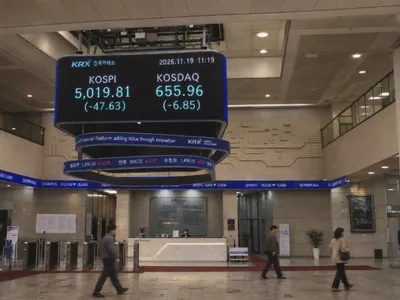
U.S.-based Halozyme has fallen more than 30% from its peak in late October. Alteogen’s stock remains approximately 60% below its previous high, failing to narrow its losses despite favorable outcomes in patent litigation. During this period, large-scale short-selling has persisted, and the market's valuation of future royalty income has shifted.
Record Earnings and Patent Wins Contrast with Market Valuation
Alteogen’s consolidated revenue for the third quarter of this year reached 119.8 billion won, with an operating profit of 78.9 billion won, marking increases of 144% and 196% year-on-year, respectively. This is the first time quarterly revenue has exceeded 100 billion won, and operating profit also hit a quarterly record. The operating profit margin reached 65.9%.
Cumulative revenue for the first three quarters stands at 260.3 billion won, with an operating profit of 152.4 billion won, already surpassing the figures for the entire previous year. The growth was driven by milestone payments from technology transfer agreements and revenue from new contracts.
Sales of its core product, Keytruda SC, are also growing rapidly. MSD reported global sales of $830 million for the third quarter of this year, an increase of approximately 79% from $463 million in the previous quarter. Alteogen receives sales milestones under its technology transfer agreement and is entitled to a 2% royalty on net sales once all agreed-upon milestones are met.
Following the strong earnings, favorable results emerged from patent disputes. The Patent Trial and Appeal Board (PTAB) of the U.S. Patent and Trademark Office ruled in favor of MSD in the Post-Grant Review (PGR) regarding Halozyme’s hyaluronidase-related patents. As a result, final written decisions favorable to MSD have been issued in all 14 cases where proceedings were initiated.
In Germany, legal obstacles hindering the sale of Keytruda SC have also been cleared. On the 19th, the Munich Higher Regional Court lifted the preliminary injunction on sales. Halozyme has stated its intention to pursue a main lawsuit, and a sales restriction order covering eight European countries issued in the Netherlands, along with separate patent infringement litigation in the U.S., remains ongoing.
While legal burdens surrounding Alteogen’s core technology have eased due to MSD’s consecutive victories in U.S. patent trials and the lifting of the German injunction, the market remains more sensitive to uncertainties regarding future royalty income and corporate valuation than to progress in patent disputes.
Short-Selling Volume Nears 3.8 Trillion Won; Royalties and Shareholder Returns as Variables
According to Korea Exchange data, the cumulative short-selling volume for Alteogen from January 2 to November 19 reached 11.48 million shares, with a transaction value of approximately 3.79 trillion won. The weighted average transaction price is approximately 330,000 won, a significant difference from the current stock price in the 170,000 won range. This represents the average execution price of short-selling trades and does not necessarily reflect realized profits for investors.
The timing of the surge in short-selling is notable. On the 9th of this month, when concerns over U.S. drug price negotiation regulations spread, short-selling volume reached 247,665 shares—more than triple the previous trading day—and the stock price fell 16.01%. Although the outstanding short-selling balance decreased by 48.1% from 1.52 million shares on October 20 to 791,925 shares on November 17, the stock price remains significantly lower than its peak.
The market is closely monitoring the 2% royalty rate for Keytruda SC and potential changes in long-term profitability due to U.S. drug price negotiation regulations. The U.S. Centers for Medicare & Medicaid Services (CMS) has updated regulations to treat existing intravenous (IV) formulations and SC formulations containing hyaluronidase as the same drug. This has raised concerns that negotiated prices could apply to Keytruda SC starting in 2029, leading to a sharp decline in the stock price.
However, domestic brokerage firms believe the actual impact will be limited. Shinhan Securities projected that the application of price negotiations would be limited to a maximum of two years between 2029 and 2030, following the launch of Keytruda biosimilars. Even if the price of Keytruda SC were reduced by 60%, the firm estimated Alteogen’s annual royalty reduction would be approximately 8%. While the impact depends on the actual launch timing of biosimilars, analysts suggest a significant gap exists between the market's sharp stock price adjustment and the expected scale of earnings decline.
Additional burdens have arisen due to the stock price decline. On the 20th, Alteogen announced that it had lowered the conversion price of its Redeemable Convertible Preference Shares (RCPS) by 15%, from 274,208 won to 233,077 won. Consequently, the number of convertible shares increased by 93,322, from 528,830 to 622,152.
Shareholder return policies are also a point of interest. Alteogen decided on its first cash dividend of approximately 20 billion won this year and pushed for the transfer of 80 billion won in capital reserves to retained earnings for additional dividends. During the shareholders' meeting in March, management acknowledged the short-term effects of share buybacks but emphasized increasing corporate value through business achievements, such as new contracts and milestone receipts. The company is also pursuing a 253.2 billion won investment in production facilities in the Dungok district of Daejeon.
Alteogen CEO Park Soon-jae stated during the third-quarter earnings call, "We are strengthening our business foundation for sustainable growth by adding new partnership achievements to the revenue generated from the development progress and product sales of existing partners." While market scrutiny of future royalty income and shareholder return policies is inevitable, given the confirmed earnings and patent successes, it is worth re-evaluating whether the current stock price decline fully reflects the company's intrinsic value.