


Nvidia surges 31%, adding $950 billion in market cap; semiconductor stocks rally in tandem
SK hynix ADR jumps 20%; derivative buying amplifies the rebound
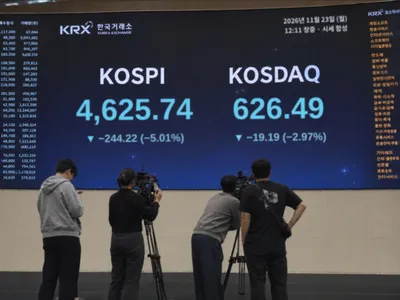
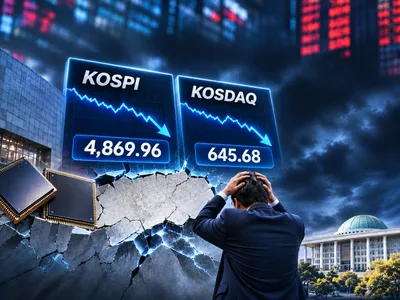
The U.S. stock market staged a dramatic rally following the surprise return of Nvidia CEO Jensen Huang. Nvidia shares soared 31.48%, marking their largest single-day gain in 23 years, while SK hynix American Depositary Receipts (ADRs) jumped 20%. With KOSPI 200 overnight futures also surging, a reversal in sentiment is emerging for the domestic market, which had suffered a sharp decline last week.
However, this rally cannot be attributed solely to Huang’s return. The surge was amplified by bargain hunting following recent sell-offs, alongside mechanical buying triggered by option hedge adjustments and the rebalancing of leveraged ETFs.
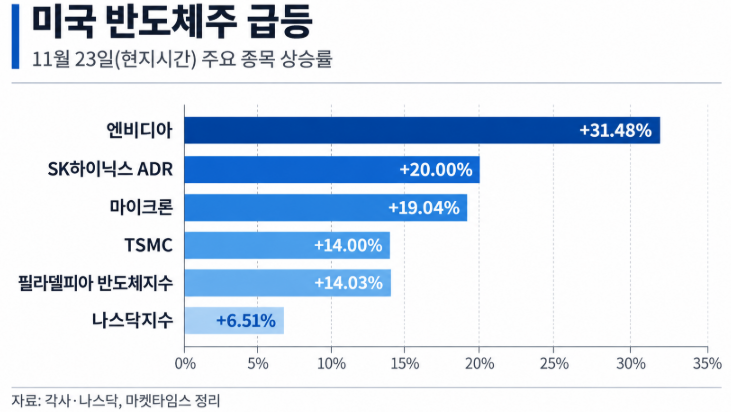
On November 23 (local time), Nvidia closed at $165.05, up 31.48%. Its market capitalization increased by approximately $950 billion in a single day, the largest daily gain in U.S. corporate history. The Nasdaq index rose 6.51%, and the Philadelphia Semiconductor Index climbed approximately 14%.
Jensen Huang’s Return Gains Trump’s Support; Semiconductor Supply Chain Rallies
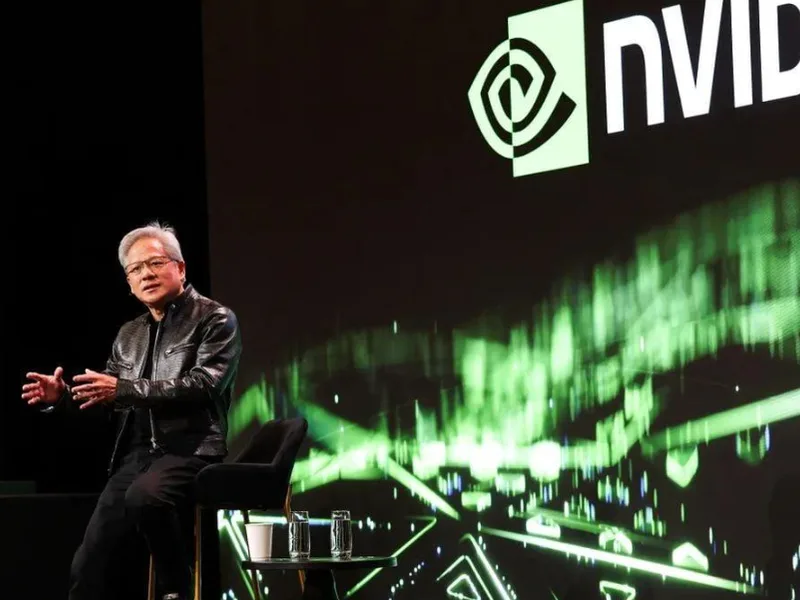
Nvidia officially confirmed on the 23rd the return of Jensen Huang, who had announced his resignation on the 12th. According to Reuters, Huang had been embroiled in controversy regarding his private life, which included allegations of contact with foreign intelligence agencies. After multiple discussions, the Nvidia board unanimously decided to reinstate him.
The decision also reflected the views of the U.S. government. The board stated that after reviewing opinions from senior government officials, it determined that Huang’s return would not pose a national security risk. President Donald Trump also publicly supported his return.
In his return announcement, Huang stated, "It is an honor to return to lead Nvidia, one of the world's most important technology companies, at the dawn of a new industrial revolution. I will fulfill my responsibilities with humility and a renewed sense of purpose."
As the leadership vacuum was resolved, buying momentum spread across the semiconductor supply chain. Memory chipmaker Micron Technology surged 19%, and foundry giant TSMC rose approximately 14%.
While the leadership void is filled, questions surrounding Huang remain. Nvidia will continue an independent board investigation into the allegations of foreign intelligence contact. On the 17th, the board also established a separate committee to oversee national security and export control issues.
Nvidia’s Strong Earnings Amid Sell-off; Short Sellers Face $15 Billion Loss
Nvidia’s performance continued to show steep growth even as its stock price plummeted. Revenue for the third quarter of fiscal year 2027, announced on the 17th, reached $115.8 billion, a 103% increase year-on-year, with fourth-quarter revenue projected to hit $130 billion.
Despite this, the stock plunged due to concerns over AI investment costs and management controversies. Across the U.S. market, anxieties grew regarding the high valuations and profitability of AI companies.
While strong earnings provided the foundation for the rebound, Huang’s return ignited the buying spree. However, the extraordinary scale of the market-wide rally was also influenced by derivative flows.
Nomura’s cross-asset strategist Charlie McElligott highlighted the role of option dealer hedge adjustments, trend-following capital, and leveraged ETF rebalancing. He noted that mechanical buying entered the market as existing hedge positions were adjusted amid the price surge and declining volatility.
Nvidia’s surge dealt a direct blow to investors betting against the stock. According to data from financial information firm ORTEX, short sellers in Nvidia faced an estimated loss of approximately $11.2 billion (about 15 trillion won) on the 23rd. Some inverse products tracking three times the decline of Nvidia shares plummeted 80–92% in a single day.
However, it is premature to conclude that a "short squeeze" was the primary driver of the rally. ORTEX data indicates that Nvidia’s short interest is just over 1% of the float. It is necessary to distinguish between the short covering of individual stocks and the broader derivative buying across the U.S. market.
Expectations for Korean Semiconductor Rebound; AI Infrastructure and Services Diverge
The surge in U.S. semiconductor stocks signals a strong rebound for the domestic market. SK hynix ADRs closed at $124.28 on the 23rd, up 20%, and KOSPI 200 overnight futures also rose significantly. Samsung Electronics and SK hynix are showing strong gains in pre-market trading, responding to the buying frenzy from the U.S. As Nvidia, Micron, and TSMC all rallied, buying momentum is spreading throughout the semiconductor supply chain.
Within the AI industry, however, trends are diverging. Recently listed AI firm Anthropic closed down 1.43% at $87.64 on the 23rd. While buying was concentrated in the semiconductor supply chain, caution remains regarding the profitability of AI model and service companies.
Jensen Huang’s return has instantly shifted market sentiment, which had been worried about AI investment overheating just days ago. With Nvidia’s strong earnings combined with the rally in memory and foundry firms, expectations for AI semiconductor demand have been revived. The U.S. market now faces the release of Personal Consumption Expenditures (PCE) data and the December Federal Open Market Committee (FOMC) meeting. Having swung between sharp declines and massive rallies, the market must now return to focusing on corporate earnings and economic indicators.