


Late Kim Sung-jae’s voice revived via AI; Deux releases 4th studio album after 31 years.
From Seo Ji-won and The Beatles to Darth Vader: AI applications expand across music and film.
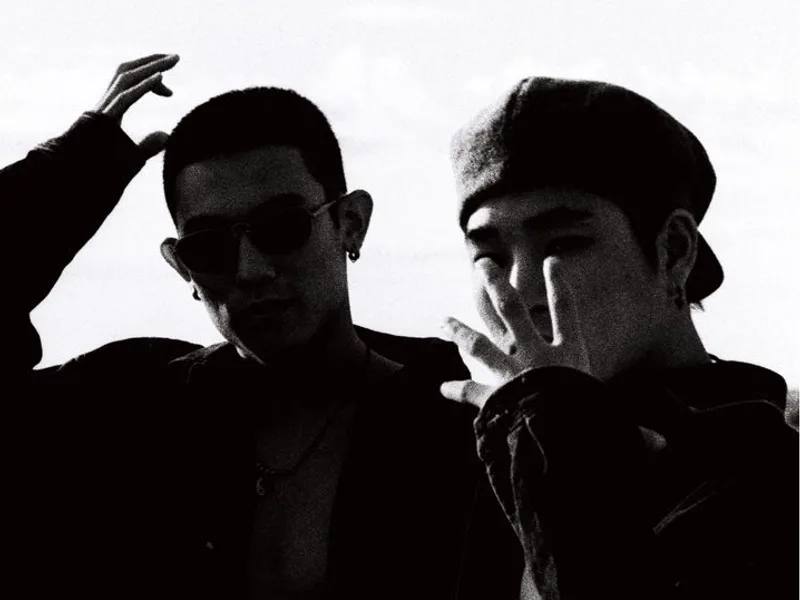
The discography of the iconic duo Deux, which had been stagnant since 1995, has received a new entry after 31 years. The voice of the late Kim Sung-jae has been reconstructed using artificial intelligence (AI) technology and featured in a new track composed by Lee Hyun-do. A collaboration that once existed only in the imagination of fans has now become a reality.
Cases of deceased artists' voices returning in new music are accumulating. Earlier this year, a remake featuring the voice of the late Seo Ji-won was released, and The Beatles utilized AI to isolate John Lennon’s vocals from old recordings to complete their final song. Similarly, the voice of Darth Vader from 'Star Wars' has been recreated using AI. The trend of using historical records as raw material for new content is spreading across the music and film industries.
The 4th Studio Album: A New Work Born from 'What If'
On the 21st, the group Deux released their 4th studio album, 'DEUX 4TH', their first full-length album in 31 years since 'Force Deux' in 1995.
Debuting in 1993, Deux established hip-hop and New Jack Swing in the Korean mainstream with hits like 'Look Back at Me', 'We Are', and 'In Summer'. The musical connection between the two members, which was severed following the group's disbandment and Kim Sung-jae's sudden passing in 1995, has been reconnected.
Lee Hyun-do served as the executive producer. Starting from the premise of what Deux might have sounded like had they continued, he completed new tracks based on ideas and work left behind by Kim Sung-jae.
Production company Wide Company developed an AI vocal filter with SoriSori AI to replicate the late artist's timbre. By utilizing archival audio, they captured Kim’s unique vocal style and integrated it into Lee’s compositions. The project was supported by the Ministry of Culture, Sports and Tourism and the Korea Creative Content Agency.
The album includes double title tracks 'The Future' and 'Want You', as well as the pre-release track 'Rise'. Dynamic Duo participated in 'Want You', showcasing a cross-generational collaboration.
Discussions regarding rights distribution also progressed. Lee Hyun-do announced his intention to share a portion of his neighboring rights royalties with Kim Sung-jae’s estate, and the Federation of Korean Music Performers has established a distribution framework for such cases.
From Seo Ji-won to The Beatles and Darth Vader: Evolving AI Usage
Domestic cases of using AI to recreate the voices of deceased artists are on the rise.
Singer Seo Ji-won, who passed away in 1996, met fans again on January 1st of this year with a special single, 'Gift Song', to mark the 30th anniversary of his passing. The title track, 'Don't Say Goodbye', is a remake of a 1988 song by Lee Seung-chul, reinterpreted with Seo’s voice.
Production company Omni Music implemented his voice using archival recordings and AI. This follows the 2023 release of 'The Days I Waited, The Days Erased', which featured songs Seo never recorded during his lifetime.
Internationally, The Beatles' 2023 release 'Now and Then' is a prime example. It is the final Beatles song, completed by Paul McCartney and Ringo Starr based on a 1970s demo recording by John Lennon.
AI-based source separation technology played a crucial role in the production, allowing Lennon’s vocals to be isolated from piano accompaniment and background noise.
There is a technical distinction between the Deux/Seo Ji-won cases and The Beatles. The Beatles did not synthesize a new voice but extracted existing vocals from historical recordings. It is necessary to distinguish between restoring/separating existing audio and synthesizing new performances using a deceased artist's timbre.
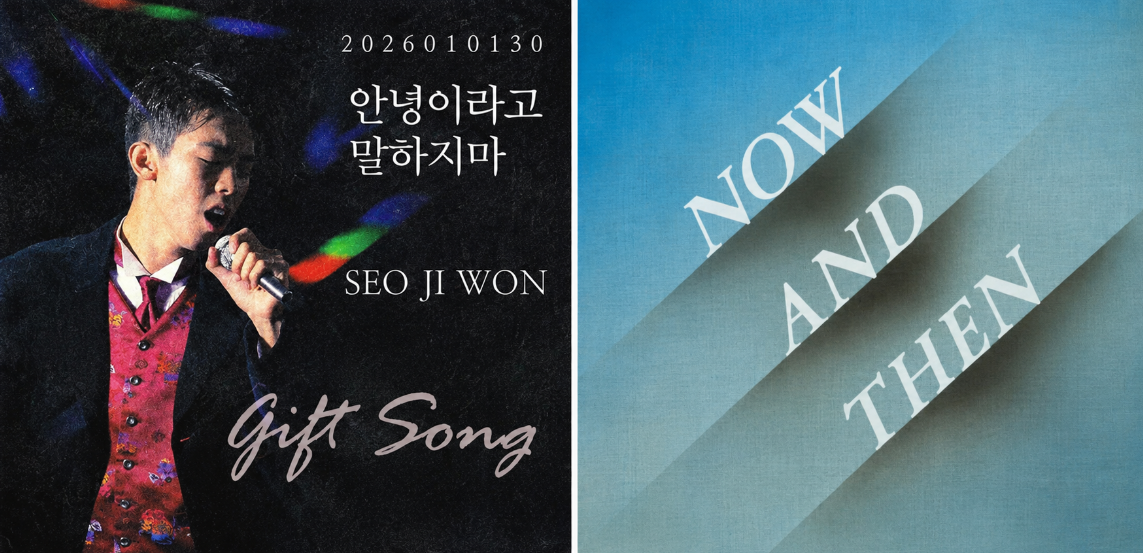 [Source: Album covers of the late Seo Ji-won's 'Gift Song' (left) and The Beatles' 'Now and Then', both produced using AI technology.]
In the film industry, Darth Vader from 'Star Wars' is a notable example of AI voice recreation.
Actor James Earl Jones, who voiced the character for decades, consented to AI voice recreation during the production of the 2022 Disney+ series 'Obi-Wan Kenobi'. The production team collaborated with Ukrainian voice technology firm Respeecher to replicate his voice from past performances.
Jones passed away in 2024. This serves as a case where an actor consented to the use of their voice during their lifetime for application in new works.
As past audio and video evolve from mere archival materials into components for new creative works, ongoing discussions regarding consent, scope of use, and profit distribution remain critical.
The new Deux album, released after 31 years, is a testament to how AI can unlock new possibilities for past music. Kim Sung-jae’s voice is heard once again within new songs crafted by Lee Hyun-do. While the timbre is nostalgic for those who remember Deux, the music itself is undeniably a product of 2026.