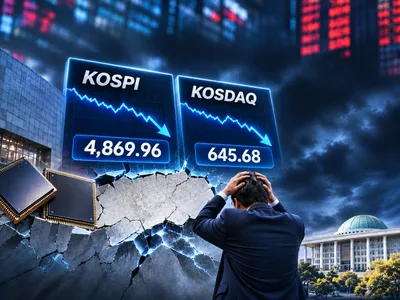


Combined KOSPI and KOSDAQ triggers reach 101; 2.2 times the level during the global financial crisis and 7.8 times that of the COVID-19 pandemic.
42 triggers concentrated in June and July; frequency declined after tighter leverage regulations but rebounded in October.
The domestic stock market has seen sidecar mechanisms triggered over 100 times this year. On the KOSPI alone, the mechanism was activated 61 times, exceeding the cumulative total of 60 triggers recorded over the 24-year period from 2002 to last year.
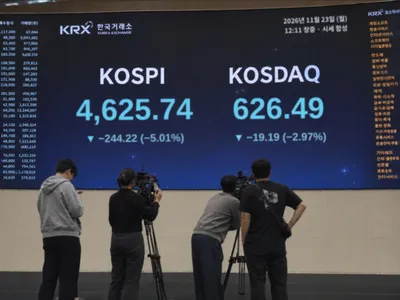
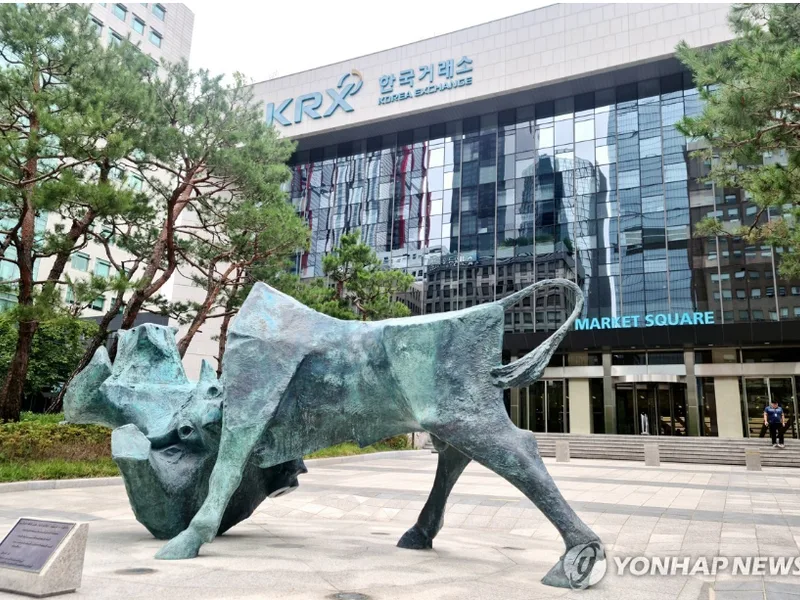
According to data from the Korea Exchange on the 24th, a buy-side sidecar was triggered on the KOSPI at 9:06 a.m. that day, followed by a similar activation on the KOSDAQ. The cumulative total for the year stands at 101 triggers, with 61 on the KOSPI and 40 on the KOSDAQ.
This figure is 2.2 times the 45 triggers recorded in 2008 during the global financial crisis. Compared to 2020, when the market plummeted due to the COVID-19 pandemic (13 triggers), it is approximately 7.8 times higher, and more than 20 times higher than last year's total of 5.
On the KOSPI, there were 29 buy-side and 32 sell-side triggers, while the KOSDAQ saw 22 buy-side and 18 sell-side activations. With a combined 51 buy-side and 50 sell-side triggers, this year has been marked by frequent sharp rebounds alongside steep declines.
Concentration in Semiconductor Stocks and Expansion of Leveraged Investments
By month, July saw the highest frequency with 27 triggers, followed by June (15), November (12), and March (11). The 42 triggers during June and July alone nearly matched the annual record of 45 set in 2008. Notably, in July, the KOSPI sidecar was triggered on 15 out of 22 trading days.
The domestic market, already volatile in March due to U.S.-Iran tensions and rising oil prices, saw increased volatility in June and July as investments became heavily concentrated in semiconductor stocks alongside an expansion in leveraged trading. Following the launch of single-stock leveraged ETFs based on Samsung Electronics and SK hynix on May 27, trading volume and open interest in related stock futures surged significantly.
According to the Bank of Korea's Monetary Policy Report released in September, individual leveraged investments using stock-related loans, such as margin trading, increased by 21% in the first half of this year alone. The Bank of Korea analyzed that "these accumulated leveraged positions were rapidly liquidated during the stock price correction process starting in late June, concentrating selling pressure within a short period."
Financial authorities intervened to curb the overheating of leveraged investments, moving the implementation date of new regulations from August to July 31. The new rules raised the minimum deposit requirement for individual retail investors trading single-stock leveraged products from 10 million KRW to 30 million KRW and mandated that only cash be accepted, excluding substitute securities such as stocks and bonds.
Subsequently, the number of sidecar triggers fell to 9 between August and September, a 78.6% decrease from the previous two months. There were no triggers in September. However, volatility returned in October due to debates over the profitability of AI investments and concerns regarding semiconductor export controls. The number of triggers rose from 8 in October to 12 in November as of the 24th.
On the KOSPI, sell-side sidecars were triggered for two consecutive days on the 20th and 23rd, but buy-side sidecars were activated on both markets on the 24th, bolstered by a sharp rally in U.S. semiconductor stocks.
The sidecar system, introduced to the KOSPI market in November 1996, is designed to mitigate the impact of sudden price fluctuations in the futures market on the spot market. It is triggered when the KOSPI 200 futures price rises or falls by 5% or more from the reference price and sustains that level for one minute, suspending program trading orders for five minutes. For the KOSDAQ, the mechanism is triggered when the KOSDAQ 150 futures price fluctuates by 6% or more and the spot index by 3% or more in the same direction for one minute.