


Energy prices surged 9.5% following the end of electricity and gas subsidies, while core inflation excluding fresh food and energy slowed to 2.5%.
A Reuters survey shows 61 out of 71 economists expect a rate hike; a 1.5% proposal was previously voted on at the October meeting.
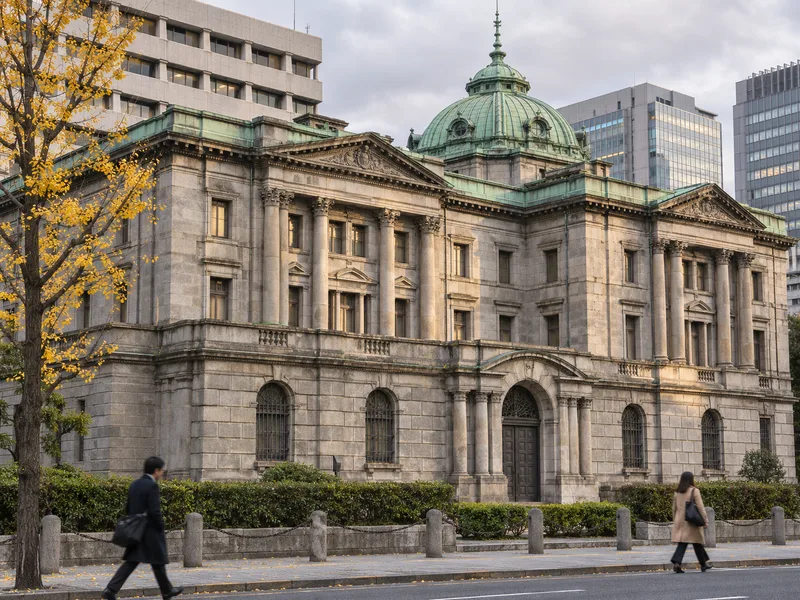
Tokyo's core inflation rate reached 2.9% in November, marking its highest level in 16 months. The sharp increase was largely driven by a spike in energy costs following the termination of government electricity and gas subsidies. A Reuters survey indicates a prevailing market consensus that the Bank of Japan (BOJ) will raise its policy rate from 1.25% to 1.5% in December. A key variable in this decision is the extent to which rising energy costs and wages are being persistently passed on to consumer prices.
According to preliminary data released by the Ministry of Internal Affairs and Communications on the 27th, the core Consumer Price Index (CPI) for Tokyo's 23 wards—excluding fresh food—rose 2.9% year-on-year. While this exceeded October's 2.6%, it fell slightly short of the 3.0% median forecast by experts. Excluding both fresh food and energy, the inflation rate slowed from 2.6% to 2.5% during the same period.
Energy prices in Tokyo jumped from 2.2% in October to 9.5% in November. Electricity rates rose 9.5% and city gas rates climbed 13.7% year-on-year. The electricity figures include a transmission and distribution fee hike implemented by TEPCO Energy Partner on November 1. Winter subsidies are set to resume for usage starting in December, with the impact reflected in January billing.
Service sector inflation, which is heavily influenced by labor costs, eased slightly from 2.2% in October to 2.1% in November, with hotel price growth slowing from 6.7% to 3.6%.
The BOJ's consideration of further hikes is rooted in shifts in corporate wage and pricing strategies. In its October economic outlook, the central bank assessed that the underlying inflation trend, stripped of temporary factors, is largely consistent with its 2% target. However, it noted that if companies continue to aggressively raise wages and prices, medium-to-long-term inflation expectations could push underlying inflation above the target.
A policy rate of 1.5% has already been subject to a vote at the BOJ board. After raising rates to 1.25% in September, the board voted 8-1 to hold steady on October 30, rejecting a 1.5% hike proposal by board member Hajime Takata. On the 26th, board member Naoki Tamura stated that as financial conditions remain accommodative, the policy rate should be raised to a neutral level soon, emphasizing the need for a swift response if inflation shows signs of exceeding targets.
The Reuters survey was conducted between November 11 and 18, prior to the Tokyo inflation release. Of the 71 economists polled, 61 (86%) expect the BOJ to raise rates by 0.25 percentage points at its December 17-18 policy meeting. The yen traded at 159.16-159.18 per dollar as of 5:00 PM on the 26th; the weakness of the yen, which can inflate import costs, further supports the case for a December hike.
Future rate hike momentum will depend on wage growth and economic performance. At the October meeting, the BOJ noted it is closely monitoring whether wages and prices are rising in tandem to meet the 2% target, with a focus on next spring's wage negotiations. The Japanese Trade Union Confederation (Rengo) has set a target of "at least 5%, centered around 6%" for next spring's wage increases. Conversely, economic cooling could constrain the pace of hikes, as Japan's real GDP contracted by an annualized 0.1% in the third quarter.
The BOJ's Tankan survey, due December 14, will provide insight into how firms perceive changes in raw material and product prices. National CPI data for November will be released on the morning of the 18th, the day of the policy decision, serving as a critical indicator of how effectively companies are passing on costs and the broader trend in service sector inflation.