KOSPI Surges Sharply on Easing AI Concerns and Plunging Oil Prices
Foreign Investors Return to Net Buyers, Led by Samsung Electronics and SK hynix
Key Market Trends
1. Sharp Rebound Led by Semiconductors... Foreign Investors Also Return
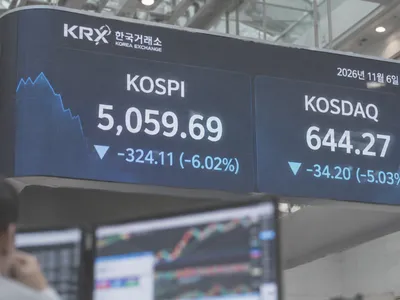
The domestic stock market rebounded sharply amid recognition that recent declines were excessive, combined with easing concerns over AI investments and a drop in international oil prices. The KOSPI recorded its highest gains since October 28, while the number of advancing issues on the KOSDAQ reached its highest since October 16.
Overnight in the U.S., semiconductor stocks saw a prominent recovery. The Philadelphia Semiconductor Index rose by over 6%, while major stocks such as AMD, Broadcom, and Micron surged.
Goldman Sachs CEO David Solomon's remarks that demand for AI infrastructure investment remains robust also helped restore investor sentiment. Contrary to recent concerns regarding AI infrastructure funding, actual demand for investment capital is evaluated as solid.
Domestically, Samsung Electronics and SK hynix led the index rebound. News that TSMC denied rumors of entering the memory market also positively influenced investor sentiment. Secondary batteries, telecom equipment, construction, and robotics showed strength, whereas some pharmaceutical, entertainment, and internet stocks remained weak.
2. Concerns over Total Suspension of Data Centers Ease... Moves to Shorten Permitting Processes
Perspectives surrounding U.S. data center policies, which recently rattled the stock market, are beginning to shift.
In the U.S., discussions are underway on legislation to shorten the permitting process for large-scale infrastructure such as data centers. Since the bill includes reducing permitting times in exchange for increasing operator cost burdens such as grid improvements, actual legislation could partially alleviate recent concerns over project delays.
Whether the bill will be processed in the short term remains to be seen, given the shifting political landscape following the midterm elections.
Companies are also taking countermeasures. In regions opposing data center construction, moves are emerging to negotiate conditions under which projects can proceed. This implies pursuing projects while meeting standards for electricity rates, water usage, and community contributions.
Some companies have expressed that if business conditions in the U.S. become excessively strict, they could redirect investments overseas. The market has begun refocusing on the possibility that the data center controversy will lean toward adjusting costs and speeds rather than a total suspension of investments.
3. Plunging Oil Prices Provide Support... Expectations for Easing Middle East Tensions
International oil prices plummeted as possibilities of dialogue between the U.S. and Iran resurfaced, acting as a positive factor for the stock market.
Contact possibilities between the two sides regarding nuclear issues, frozen funds, and strait security are being discussed. Although some mixed reports have emerged, recent fears of military conflict have somewhat subsided.
The drop in oil prices serves as a friendly catalyst for growth stocks that recently underwent corrections, as it lowers corporate costs and inflation pressures while easing interest rate hike pressures.
Supply, Demand, and Sectors
Foreign investors turned to net buyers. Excluding a few sectors such as food & beverage, electric utilities, and general services, the scope of buying was relatively broad.
Institutional investors made large-scale net purchases centered on electrical and electronics. They sold only a few sectors like chemicals and food & beverage, while also acquiring electrical and electronics, machinery, pharmaceuticals, and IT services on the KOSDAQ.
This is significant as foreign and institutional supply and demand, which recently dragged down the index, improved simultaneously. In particular, returning buying interest in Samsung Electronics and SK hynix widened the index rebound.
Market Analyst's View
Data center concerns that emerged after the U.S. midterm elections appear to have been largely reflected in stock prices for now. Although controversies surrounding local electricity rates and grid burdens have not disappeared, it is difficult to conclude that the Democrats are moving unilaterally to halt data centers.
Companies are also showing moves to verify and meet the conditions demanded by local communities. Considering that data center investments are tied to massive capital, jobs, and the local economy, the process is likely to involve adjusting cost burdens and groundbreaking timelines rather than a complete suspension of operations.
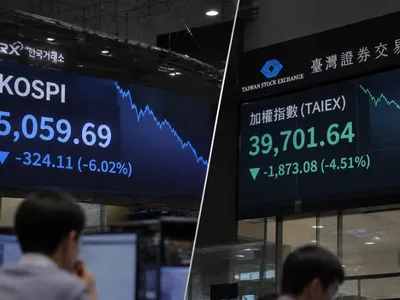
Today's domestic market rebounded strongly, but it should be viewed as merely collecting overdue payments for now. While Japanese and Taiwanese markets rebounded for a second consecutive day, the domestic market showed its full recovery only today. Samsung Electronics and SK hynix also saw their upward momentum slow near the 5-day moving average.
Policy noise, once heightened, does not vanish immediately. Every time data center-related news breaks, volatility in semiconductor and AI stocks could resurface, and market skepticism regarding consecutive rebounds remains.
Nonetheless, it is necessary to acknowledge that stock prices fell rapidly solely due to drop-offs while earnings forecasts were not significantly lowered. Rather than concluding today's single-day rebound as a trend reversal, it is time to watch whether foreign buying flows continue and if existing leaders and institutional accumulation stocks undergo additional recovery.
Source: Market Analyst's Stock Story t.me/shmstory
YouTube: Market Analyst TV www.youtube.com/@blueoak1004
This article has been reorganized from Market Analyst's Stock Story Telegram posts with the author's consent. All content may contain errors and does not constitute a recommendation to buy or sell, and thus cannot be used as a basis for trading. The contents of this post cannot be used as legal grounds under any circumstances.