Push for Digital Asset Basic Act: Potential Changes to Governance of Top 5 Exchanges
Concerns Over Burden on Latecomers; Major Shareholder Eligibility and Regulatory Effectiveness Under Scrutiny
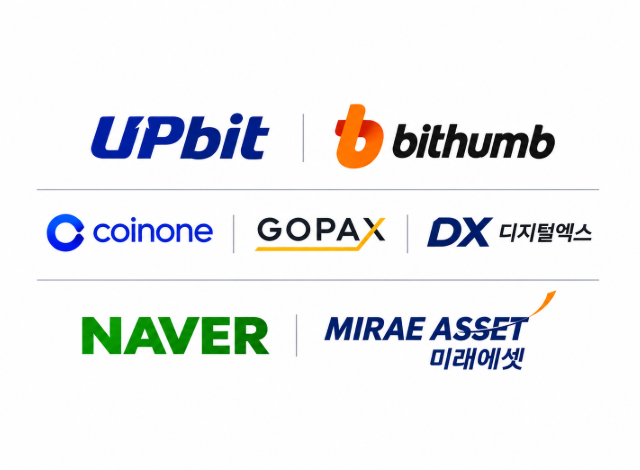
The potential reintroduction of a 15-20% ownership cap for major shareholders of virtual asset exchanges is drawing attention to the governance structures and M&A activities of major platforms like Upbit and Bithumb. The integration of Naver Financial into Dunamu and Mirae Asset Group’s acquisition of an exchange could be significantly impacted depending on the scope of the regulation. In particular, given the varying levels of ownership concentration across exchanges, a uniform cap could disproportionately burden late-market entrants.
Financial authorities are reportedly in discussions with relevant agencies, aiming to legislate the Digital Asset Basic Act this month. Proposals include setting the ownership cap at 15-20% and granting existing operators a 1-2 year transition period. Alternatives, such as restricting voting rights rather than mandating share divestment, are also under consideration.
Kim Min-seok, a representative of the Democratic Party of Korea, proposed a delay in crypto taxation on the 4th, stating, "It is desirable to first enact the Digital Asset Basic Act to establish a comprehensive framework and provide an adjustment period for companies and investors." The Financial Services Commission previously stated that the ownership cap has not yet been finalized.
Disparity in Compliance Burden: Upbit vs. Digital X
Applying a 20% cap to existing ownership data reveals significant disparities among operators.
Song Chi-hyung, Chairman of Dunamu (operator of Upbit), holds 25.52% based on disclosed figures, exceeding the proposed cap by 5.52 percentage points. Bithumb Holdings’ 73.56% stake in Bithumb exceeds the limit by 53.56 percentage points, while Binance, the largest shareholder of Gopax, exceeds it by 47.45 percentage points.
Coinone’s projected stake for CEO Cha Myung-hoon and his associates was 30.36% as of May, while the stake in the former Korbit (now Digital X), acquired by Mirae Asset Consulting, is reportedly 97.15%. These exceed the 20% cap by 10.36 and 77.15 percentage points, respectively.
While these figures compare data from different periods and do not imply immediate divestment mandates, they highlight that a blanket regulation could force a total restructuring of governance for firms like Bithumb and Digital X. Such regulations intended to curb ownership concentration could inadvertently stifle new investment and M&A, potentially cementing the current market dominance of incumbent leaders.
Naver and Mirae Asset M&A Variables: The Question of Wholly-Owned Subsidiaries
Naver Financial is pursuing the acquisition of Dunamu as a wholly-owned subsidiary through a comprehensive stock swap, with a target date of March 31, 2027. Mirae Asset Group has also secured a majority stake in Digital X through Mirae Asset Consulting. If the ownership cap applies to direct shareholders of exchange operators without exemptions for wholly-owned subsidiaries, both firms may face significant restructuring requirements.
The method of handling excess shares remains a point of contention. Mandatory divestment could trigger large-scale sell-offs, weakening bargaining power. Conversely, restricting voting rights alone poses challenges for firms like Naver and Mirae Asset, which may hold significant equity but be unable to exercise corresponding management control.
Previous discussions have touched upon potential exemptions allowing up to 34% for certain shareholders—a level sufficient to block special resolutions at general meetings. However, whether such exemptions will apply to corporate shareholders or new entrants remains undecided, raising concerns over regulatory equity.
Strengthened Shareholder Screening: Is an Ownership Cap Necessary?
The amended Act on Reporting and Using Specified Financial Transaction Information, which took effect on August 20, already includes provisions for screening major shareholders based on criminal records, financial soundness, and social credit.
Critics argue that with stringent eligibility screenings already in place, the necessity for a uniform ownership cap requires further justification. While eligibility screenings verify the suitability of an owner, an ownership cap restricts the management rights of shareholders who have already been deemed fit.
Furthermore, unlike the European Union’s Markets in Crypto-Assets (MiCA) regulation, which mandates notification for significant stake acquisitions but avoids uniform ownership caps, the Korean approach risks creating "ownerless companies" where governance and board oversight may weaken. As the National Assembly reviews the bill, the focus will likely remain on whether the proposed cap addresses risks that cannot be mitigated through existing shareholder eligibility screenings.