The emotion captured in a song, and the rights not written on the sheet music
In 1959, an American record label made an unconventional offer to sign a popular singer. While the deal included a high salary and generous profit-sharing, the condition that truly shocked the music industry was different: a promise that once the contract expired, the singer would own the master recordings of the songs they had recorded. For a label to hand over the original recordings—produced at the company's expense—was an almost unheard-of practice at the time.
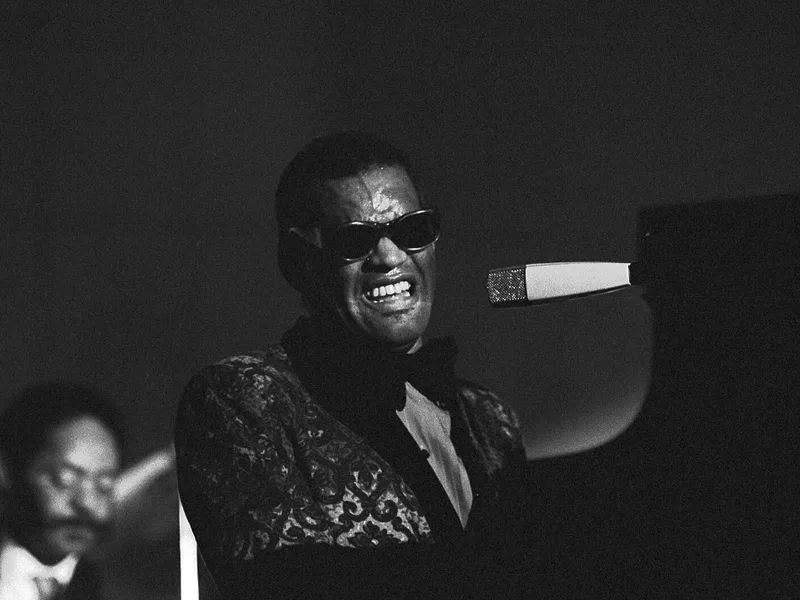
That singer was Ray Charles (1930–2004), a pioneer of American soul music. Having lost his sight around the age of seven, he forged his own musical path by blending gospel, blues, and jazz at the piano. His music, which later became the foundation of soul, achieved massive commercial success. 'What'd I Say,' released in 1959, reached number six on the Billboard Pop chart, and subsequent hits like 'Georgia on My Mind' and 'Hit the Road Jack' remain beloved across generations.
For Atlantic Records, the label that nurtured him into a star, he was an invaluable talent. However, the situation shifted when competitor ABC-Paramount offered a $50,000 annual guarantee, a higher profit-sharing ratio, and, crucially, ownership of the master recordings.
Ray Charles eventually moved to the new label. While Atlantic lost its star, Charles secured rights that were rarely granted to artists of that era.
The singer performs the song, but the label owns the record?
Producing an album involves significant costs, from studio rentals and hiring musicians to production and marketing. A practice became established where the record label bears these costs and the risks of commercial failure, and in return, the label retains ownership of the master recordings.
On stage, the singer is the protagonist. However, the moment that voice is captured on a record, the contract determines who owns and utilizes the recording. Whether re-releasing an album or licensing a song for a film or advertisement, the permission of the party holding the rights to the recording is required.
What Ray Charles secured was the ownership of these master recordings. The condition was that he would take possession of the master tapes produced under his contract with ABC-Paramount once the contract term ended.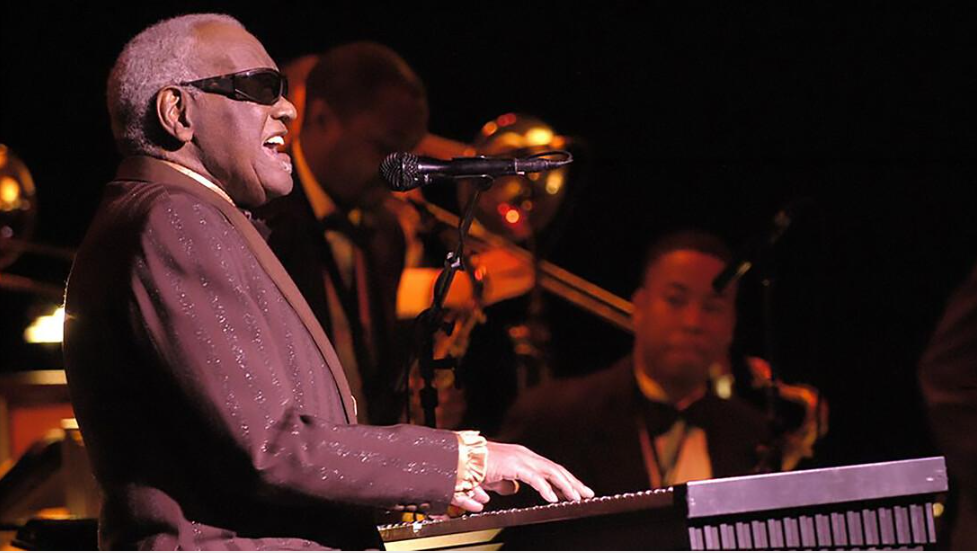 [Source: Wikimedia Commons, Ray Charles performing at the 2003 Montreal International Jazz Festival]
It is necessary to distinguish between the song and the recording. 'Georgia on My Mind,' released by Ray Charles in 1960, was composed by Hoagy Carmichael with lyrics by Stuart Gorrell. While the creators of the composition are separate, distinct rights exist for the recording that captures Ray Charles's voice.
In South Korea, the copyright of the songwriter/lyricist, the performer's rights of the singer, and the neighboring rights of the record producer are also legally distinct. Depending on who created, performed, and produced the recording, the holder of the rights varies.
This is why record labels are reluctant to relinquish master recordings. An album is not a product that is sold once and forgotten. A song that was once a trend can return to the charts thanks to a film, and a voice recorded decades ago can still be found on someone's playlist today.
While singers age, their recorded voices remain as they were in their prime. Decades later, those voices are still used in films and advertisements, generating new revenue. The question is: who receives that money?
Ray Charles addressed this in his contract as early as 1959. Today, the Ray Charles Foundation holds the rights to his major recordings—excluding those from his Atlantic era—and manages licensing for films and advertisements. Though he passed away over 20 years ago, the recordings he left behind continue to generate income.
This dilemma is not limited to artists of the past. When Taylor Swift could not secure ownership of her early master recordings, she chose to re-record her existing songs. While these were new versions of familiar songs to fans, for Swift, it was a choice to expand control over her own music.
In 2025, Swift purchased the original masters of her first six albums. The rights that Ray Charles secured through a contract, Swift bought back decades later with her own capital.
Lee So-ra's 'Wind is Blowing': The 45 songs tied up by the court
In South Korea, the hit songs of singer Lee So-ra have become the subject of a legal attachment. It was reported on the 10th that the Incheon District Court granted an attachment order on February 13th regarding the neighboring rights of 45 songs, including 'Wind is Blowing,' following an application by Lee So-ra against the representative of her former agency.
'Wind is Blowing' is a track from her 6th studio album, 'Nunsseopdal' (Eyebrow Moon), released in 2004. With its restrained melody and Lee's signature vocals, it has been a beloved classic for over 20 years.
 [Source: Wikimedia Commons, Lee So-ra performing at the Pilsner Festival]
The scope of the attachment includes rights related to 'Nunsseopdal,' as well as her 7th and 8th albums and remake records. While these songs are filled with memories for fans, in the music industry, they remain assets with economic value, capable of generating revenue through streaming, broadcasting, and advertising.
Marehim, Lee So-ra's current agency, stated that they are pursuing legal proceedings to protect the artist's rights and musical assets, having determined that it is no longer possible to maintain a relationship of trust with the former agency's representative.
The court's attachment order is a measure to restrict the arbitrary disposal of those rights; it does not mean Lee So-ra has immediately secured full ownership. The specific grounds for the claim and the future direction of the rights remain unclear based on publicly available information.
The legal nature of this case differs from Ray Charles's contract or Taylor Swift's master purchase. While Charles secured ownership through a contract and Swift bought back her rights, Lee So-ra is taking legal action to restrict the disposal of neighboring rights against her former agency.
Though the methods and circumstances differ, all three cases demonstrate that recorded music is more than just a memory—it is an asset that retains value for a long time.
Ray Charles possessed a voice that would remain in music history, and he also had the foresight to see the future of that voice. What he secured from his record label in 1959 was not just immediate payment; it was the right to ensure that the songs he sang would outlive him.