Rising interest rates and semiconductor headwinds trigger sharp declines in Samsung Electronics and SK hynix.
Taiwan markets drop 6%, Japan falls over 2% as foreign investors aggressively offload electrical and electronic stocks.
Market Overview
① Nvidia Noise and Memory Litigation
The domestic stock market declined due to a combination of rising interest rates and negative news surrounding the semiconductor sector. Asian technology stocks faced heavy selling pressure, with Taiwan's market plunging approximately 6% and Japan's market weakening by over 2%. Following the weakness in U.S. semiconductor stocks, including Nvidia, over the weekend, the Federal Reserve's Financial Stability Report further pressured investor sentiment. The percentage of respondents citing AI-related risks as a potential negative impact on the financial system rose from 50% in May to 87% in the latest survey. While this does not signal immediate financial instability, it serves as a warning regarding risks that may emerge during the expansion of AI investment.
Early in the session, U.S. futures rose on reports of Jensen Huang's potential attempt to return to management, which briefly buoyed the domestic market. However, the rally was short-lived as analysts suggested such a return would be realistically difficult.
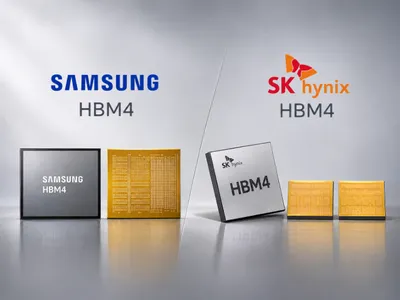
Samsung Electronics and SK hynix were further burdened by reports of a class-action lawsuit regarding alleged collusion among U.S. memory manufacturers. A U.S. court denied a motion to dismiss the case, allowing the trial to proceed. While this does not imply that collusion has been proven, the continuation of the litigation acts as a market overhang.
② 10-Year Treasury Yield Surpasses 5.1%
The primary burden on the market was interest rates. Following the release of CPI and PPI data, concerns over persistent inflation have resurfaced, accompanied by hawkish rhetoric from Federal Reserve officials. Some have even raised the possibility of consecutive rate hikes at future FOMC meetings. Conversely, Treasury Secretary Scott Bessent expressed a negative view on further rate hikes, suggesting that November inflation figures would show a significant decline. With the U.S. 10-year Treasury yield exceeding 5.1%, the market reacted sharply to ongoing semiconductor-related negative news, leading to significant declines for Samsung Electronics, SK hynix, and related materials, parts, and equipment suppliers. In contrast, some pharmaceutical, telecommunications equipment, shipbuilding, and entertainment stocks showed relative resilience.
③ Foreign and Institutional Selling
Foreign investors continued their net selling, primarily targeting the electrical and electronics sector. While there was minor buying in transportation, pharmaceuticals, and food and beverage, they sold most sectors on the KOSDAQ, excluding pharmaceuticals. Institutions also net-sold electrical and electronics, finance, and chemicals, while buying into transportation equipment, pharmaceuticals, food and beverage, and insurance. Analysts suggest that the demand for liquidity ahead of the Anthropic IPO is impacting market supply and demand. Some also link the recent weakness in Bitcoin to a broader move to secure cash ahead of major IPOs.
Supply, Demand, and Sectors
The combined selling by foreign and institutional investors in the electrical and electronics sector exacerbated the decline in large-cap semiconductor stocks like Samsung Electronics and SK hynix. The return to net selling in Samsung Electronics, which had recently seen foreign inflows, has further increased pressure on the index. Despite the broader market decline, sector differentiation persists, with buying interest flowing into select pharmaceutical, telecommunications equipment, shipbuilding, and entertainment stocks.
Market Commentary
As interest rates rise, the market is becoming increasingly sensitive to negative news. From Nvidia management issues to memory litigation, the week is packed with AI-related events, including Nvidia's earnings and the Anthropic IPO. Combined with the U.S. market's expiration week, the conditions for short-term volatility are firmly in place. The market is reacting strongly to even minor news, particularly within the semiconductor sector.
However, the news released today does not fundamentally downgrade the earnings outlook for the semiconductor industry. The issues surrounding Nvidia's management and interest rate burdens are already largely priced in, and the memory litigation is merely at the stage of proceeding to trial rather than a verdict of collusion. The market is likely to undergo a period of digesting selling pressure through continued fluctuations. It remains essential to monitor stocks with strong earnings evaluations during the current season and those that have seen accumulated institutional buying during recent adjustments.