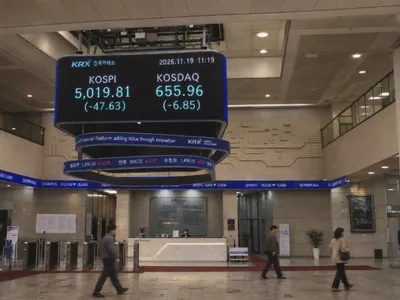



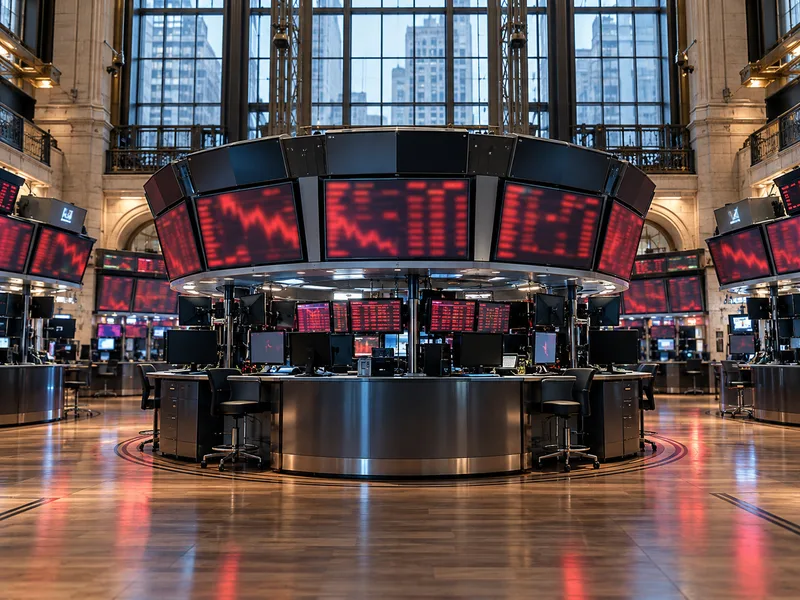
Philadelphia Semiconductor Index plunges 10.73%... Dow and S&P 500 enter correction territory.
Anthropic shares fall 8.50% on second day of trading; Fed Governor Cook signals need for further rate hikes.
The three major U.S. stock indices closed lower on November 20 (local time). Amid growing concerns over the profitability of artificial intelligence (AI) investments, reports emerged that the U.S. Securities and Exchange Commission (SEC) is investigating Nvidia's accounting practices. As Nvidia shares plummeted and other semiconductor stocks followed suit, the Nasdaq wiped out all of its gains for the year.
The Nasdaq Composite Index fell 1,261.47 points (5.28%) to close at 22,617.73, approximately 2.7% lower than its closing price at the end of last year. The S&P 500 Index dropped 265.44 points (3.70%) to 6,910.39, while the Dow Jones Industrial Average fell 949.73 points (1.93%) to 48,147.33.
Both the Dow and the S&P 500 have now entered correction territory, having fallen more than 10% from their all-time closing highs. The S&P 500 recorded its longest losing streak since February 2020, falling for seven consecutive sessions. All three major indices posted their largest weekly declines since April of last year.
Reuters reported, citing two sources familiar with the matter, that the SEC is examining potential issues in Nvidia's accounting treatment. The specific scope of the investigation has not been disclosed. Nvidia, which was already down more than 6% before the report, closed at $125.53, down 14.01%. With semiconductor stocks like AMD (-13.25%) suffering sharp declines, the Philadelphia Semiconductor Index fell 10.73% to 8,408.59. AI cloud firms CoreWeave and Nebius also saw double-digit percentage drops.
Anthropic, which went public the previous day, fell as low as $83.05 during the session, nearing its IPO price of $83. The stock closed at $88.91, down 8.50% from the previous day, erasing more than half of its first-day gains. Anthropic announced that underwriters exercised their full over-allotment option, finalizing the IPO size at approximately $93.5 billion.
Amid the ongoing sell-off, the yield on the 10-year U.S. Treasury note fell from 5.04% to 4.92%.
The final University of Michigan consumer sentiment index for November rose to 51.5 from 48.0 in October. The university attributed the improvement to better economic outlooks following the midterm elections and lower gasoline prices. One-year inflation expectations fell from 4.7% to 3.7%. Meanwhile, voices within the Federal Reserve suggested further rate hikes may be necessary. Fed Governor Lisa Cook stated at the Central Bank of Chile's annual conference in Santiago that the current benchmark interest rate is insufficient to curb inflation, warning that delaying action could necessitate more aggressive hikes later.
The market is now focused on the October Personal Consumption Expenditures (PCE) price index, due on the 25th, ahead of the December Fed meeting. The data is scheduled for release at 8:30 a.m. Eastern Time. U.S. markets will be closed for Thanksgiving on the 26th and will close early at 1:00 p.m. local time on the 27th.