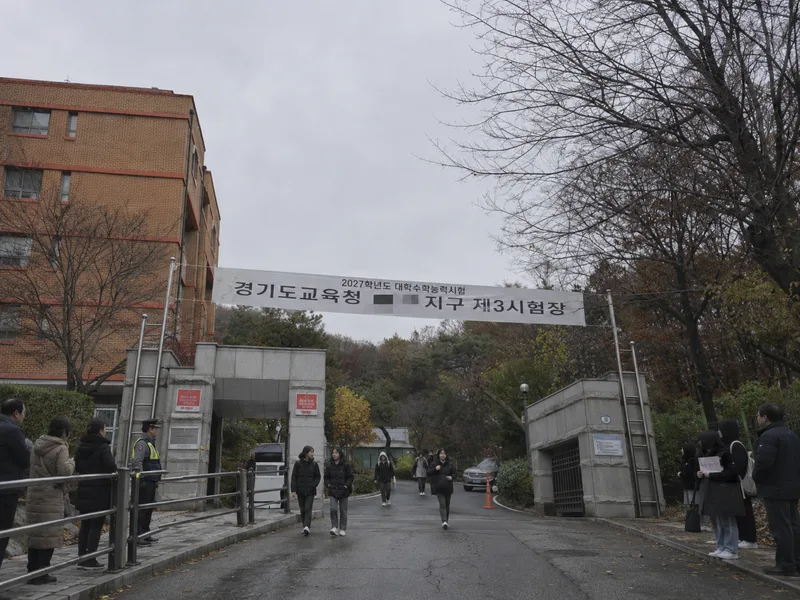
The College Scholastic Ability Test (CSAT) has concluded. For many, this exam represents the culmination of a year—or perhaps much longer—of intense dedication. Students have sacrificed sleep, postponed social commitments, and set aside personal interests for this single day. For these young people, who possess a natural vitality and a desire to explore the world, the simple phrase "you must feel relieved" hardly captures the complexity of their emotions.
Leaving the exam hall, they may feel a mix of relief, lingering regret, and anxiety about the future. Even after waiting so long for this moment, they may find themselves feeling strangely hollow, unsure of what comes next.
This year’s exam was marked by an unusual disruption: the government sent emergency disaster alerts to the entire nation to identify students who had failed to surrender their mobile phones. While the first alert was sent before the exam began, subsequent alarms sounded during the test. The Ministry of Education reported that 22 students were caught with unsubmitted devices that day.
Rules must be upheld. No student should be allowed to undermine the efforts of others through illicit device use. However, the necessity of enforcing rules is distinct from the judgment that a specific method was the best approach.
We do not know the individual circumstances of those caught—whether the failure to submit was intentional or a result of negligence. While the violation remains, we must balance strict enforcement with a degree of nuance that avoids condemning unverified intentions. Furthermore, we must consider the students who followed the rules but were forced to endure the blaring alarms during their exam.
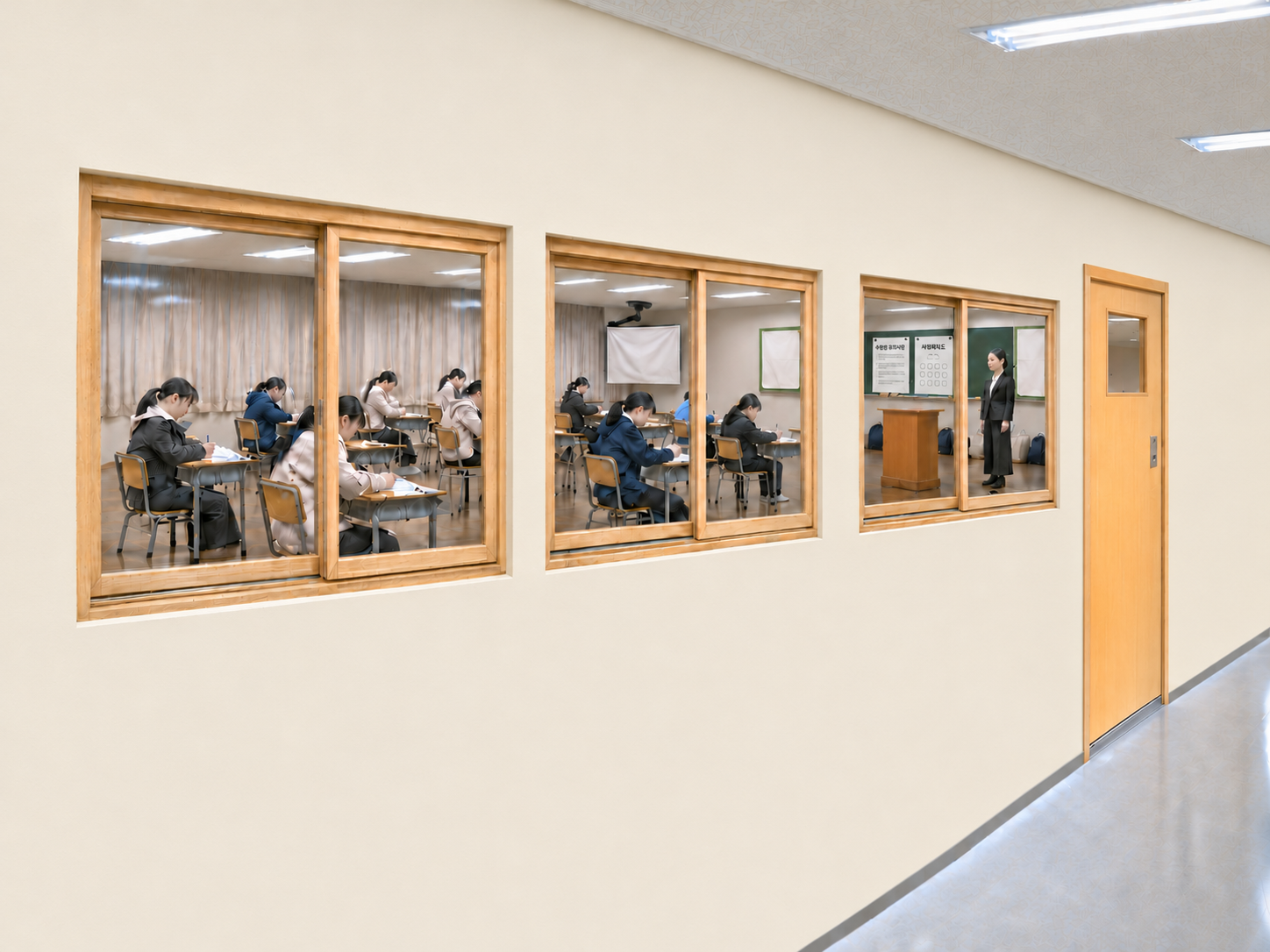
[Photo Caption: An AI-generated image recreating students taking the CSAT.]
If a sudden, loud noise interrupted a student deep in thought, the impact is impossible to quantify. While some may have quickly refocused, others may have struggled to regain their concentration. We cannot dismiss the potential disruption simply because it is difficult to measure. The authorities owe the public an explanation: not just how many were caught, but why this specific method was chosen and whether other, less intrusive alternatives were sufficiently considered.
The issue is not whether cheating should be addressed, but whether we can protect the integrity of the exam without compromising the peace of mind of those taking it. We must ask ourselves if we have become so accustomed to the competitive nature of our society that we have failed to truly observe the lives of our youth.
How much time are our teenagers actually granted to ponder deep questions, rather than merely training to select the "correct" answer? Questions such as "What kind of person do I want to be?" or "What constitutes a good life?" are often deferred until after university admission. Yet, even in university, the cycle of credits, certifications, internships, and job hunting continues. The time to read a book slowly or contemplate ideas that lack immediate utility is pushed further into the future.
The older generation often tells them, "Just get through this hurdle." But how do we explain a reality where one door leads immediately to another? For those who have just finished the CSAT, what they need most varies. Some may want solitude; others may simply want a meal where no one asks about their results. We should not rush to demand their next plan.
You have worked hard. Before explaining your results or proving what you will do next, it is okay to take a break. As adults, we owe you an apology. To ensure this sentiment is more than mere nostalgia, we must consider what changes are necessary: finding ways to protect the fairness of exams while safeguarding the tranquility of the examinees, and ensuring that a moment of pause is not viewed as falling behind.
The CSAT is over. To our youth: it is okay to take a break.